Instant Quote
CNC Turning Services - Make Your Parts On-Demand
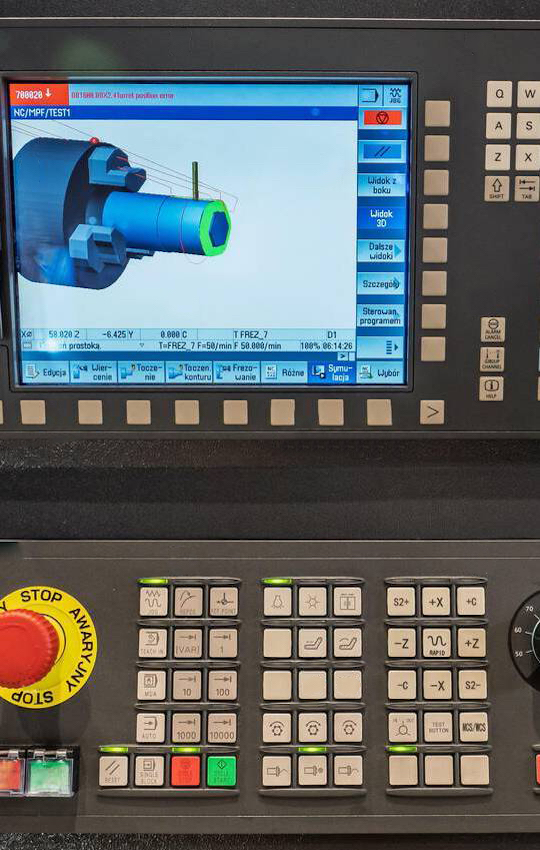
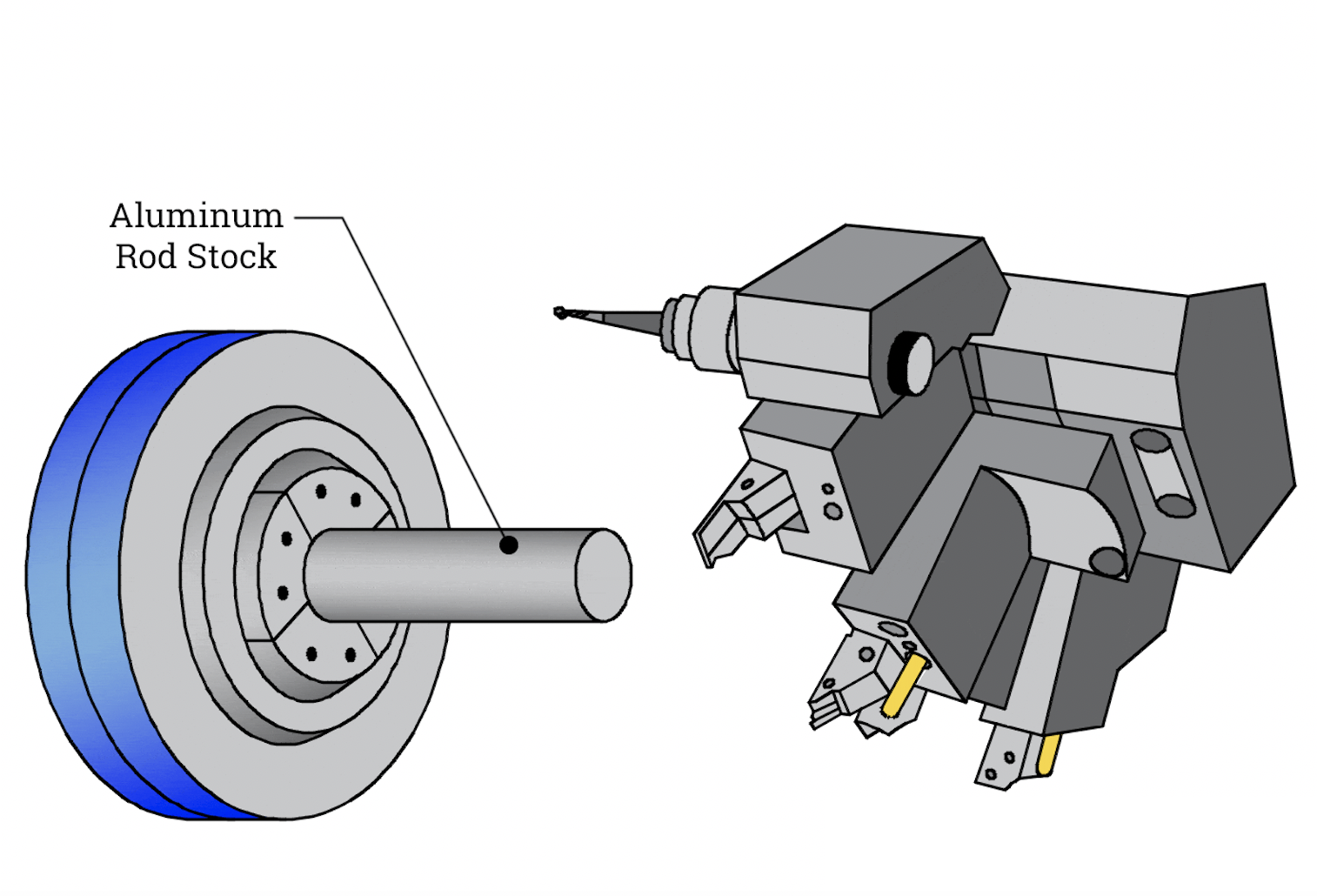
CNC turning is a manufacturing process that uses a cutter feed to a bar of material held in a high-speed rotated chuck to remove material to create the desired shape. It is also a “subtraction machining “process involving material removal. A turret (shown center), with tooling attached, is programmed to move material from the bar and follows the program’s setting. If the CNC turning center has both turning and milling capabilities, the rotation can be stopped priority to mill out the shape first. With the CNC system configurations, you can determine the design requirements for each CNC turning machining operation, allowing you to produce prototypes, parts, or components that meet your design standards.
TEAM Machining has offered CNC turning services for years. We combine our rich machining experience with various machines to provide the best solution to our customers. Whether it is only 1 or 10,000+ parts, we can create them quickly and cost-effectively through the CNC turning process.
CNC Turning
It is ideal for producing components like shafts, bushings, and threaded parts with high accuracy and repeatability.
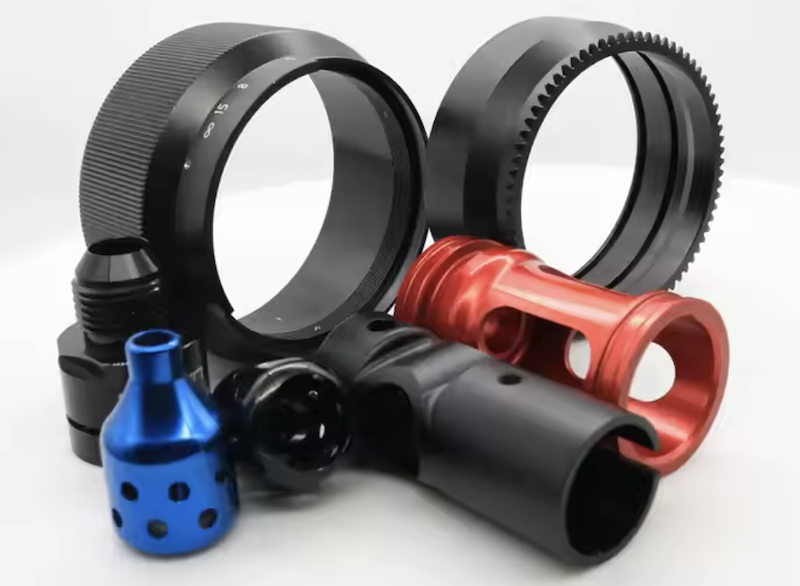
CNC Turning Solutions at TEAM Machining
Differ from the other manufacturers, TEAM Machining not only provide mass CNC turning production, we also offer rapid prototype and small-volume solutions for your CNC turning parts. Even for a small order with just 1 single part, we will do our best to make it perfectly. Our full CNC turning capability is 300,000+ parts per month.
Rapid Prototypes – CNC Turning Parts
Why TEAM Machining
Prototyping Services
Quick Quote
Good Price
Quality
ISO Factory
Mature Business Lines
How CNC Turning Works
CNC turning is a precision manufacturing process that shapes material by rotating it against a stationary cutting tool. It’s widely used to produce cylindrical or round parts with high accuracy and efficiency. The CNC turning steps are:
Step 1: Design The part is modeled in CAD software with all dimensions and tolerances defined.
Step 2: CAM Programming The CAD model is converted into toolpaths and post-processed into G-code.
Step 3: Setup The raw material is clamped in the chuck, and cutting tools are loaded into the turret.
Step 4: Zeroing The tool positions and workpiece origin are set so the machine knows where to cut.
Step 5: Machining The spindle rotates the workpiece while the cutting tool moves along the X and Z axes to remove material, performing operations like facing, turning, boring, threading, and parting.
Step 6: Inspection The finished part is measured to verify it meets the required dimensions and tolerances.
Step 7: Finishing Burrs are removed, and any secondary operations (polishing, plating, heat treatment) are performed if needed.
CNC Turning Process
CNC Turning Materials
Metals & Plastics
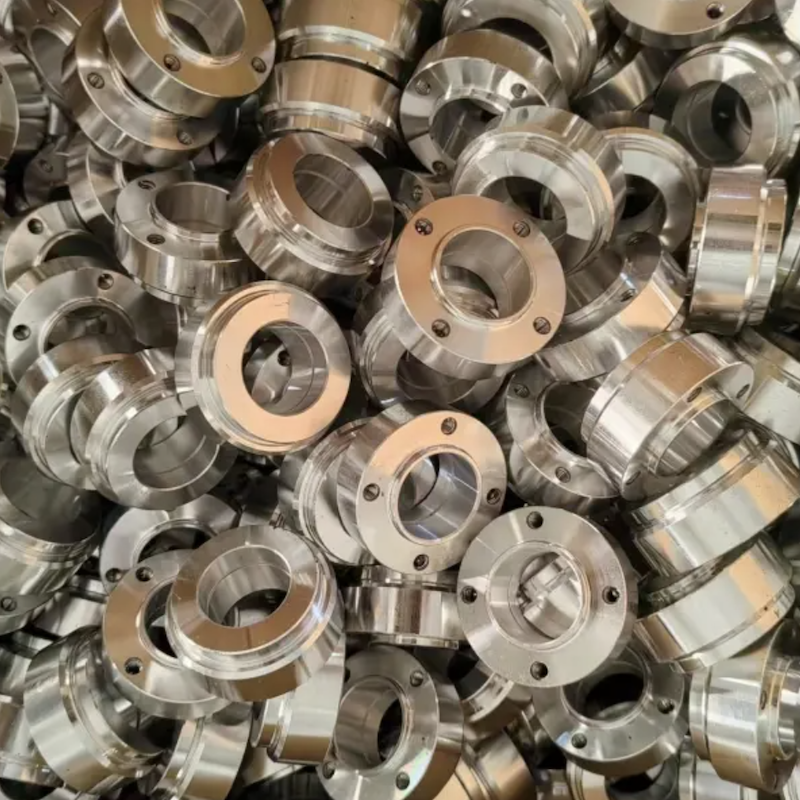
TEAM Machining offers a wide ranges of plastic and metal materials for your needs:
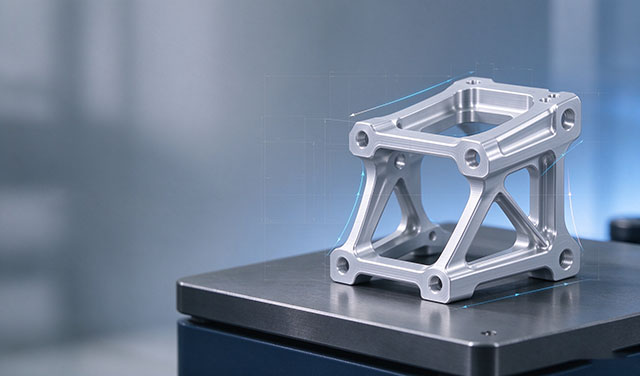
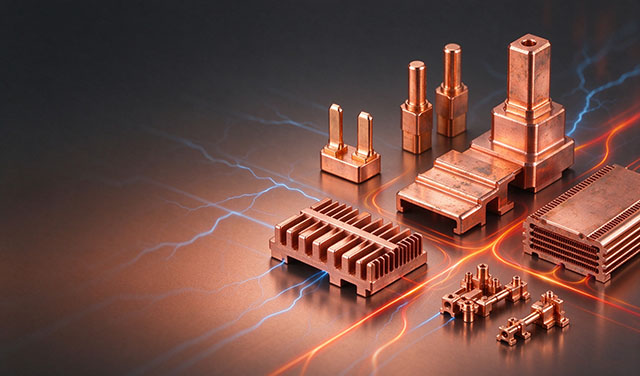
Aluminum: Al6061; Al6063; Al6082; Al7075 etc.
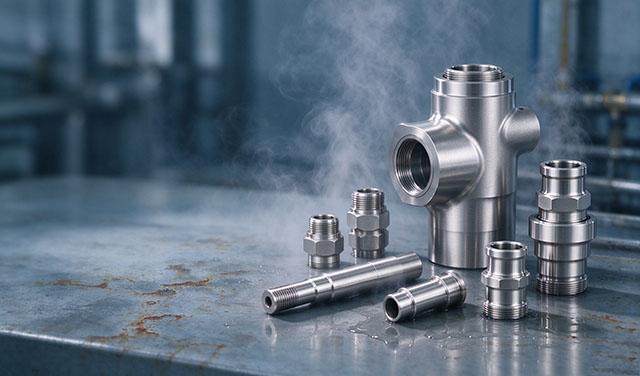
Stainless Steel: SS201; SS301; SS303; SS304; SS316; SS416 etc.
Steel: Mild Steel; Carbon Steel; 4140; 4340; Q235; Q345B; 20#; 45# etc.
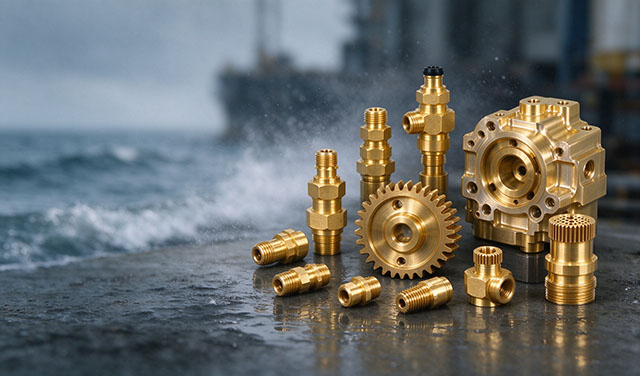
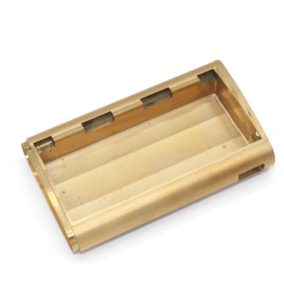
Brass: HPB63; HPB62; HPB61; HPB59; H59; H68; H80; H90; etc.
Ti: Gr1; Gr2; Gr5
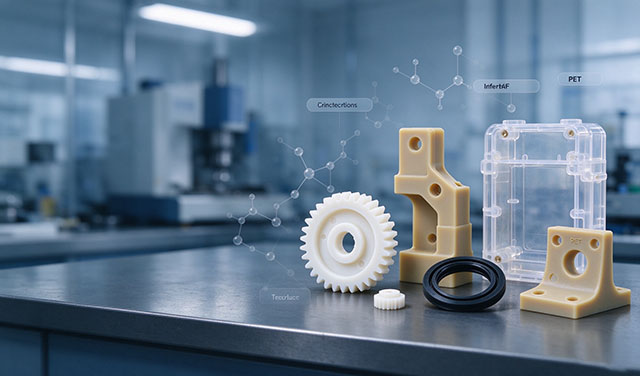
Plastic: ABS; PC; PE; POM; PEI; Nylon; PP; PA+30%GF; PEEK; PVC etc.
*For materials not shown here, please contact us directly.
Surface Treatment on Your Parts
TEAM Machining proudly offers an extensive selection of professional post-finishes to supplement our manufacturing processes, giving you everything you need for a standout prototype or market-ready product. Here are some post-finish options for CNC plastic machining and CNC metal machining services.
More Surface Finish…
Aluminum | Stainless Steel | Steel | Plastics | Brass |
Clear Anodized | Polishing | Zinc Plating | Plating | Gold Plating |
Color Anodized | Sandblasting | Chrome Plating | Polishing | Electroplating |
Sandblast | Laser Printing | Nickel Plating | Sand Blasting | |
Chemical Film | Carburized | Laser Printing | ||
Brushing | Heat Treatment | Painting | ||
Polishing | Painting | Silk Printing | ||
Plating | Powder Coated | |||
Painting | Electroplating | |||
Powder Coating | Oxide Black | |||
Laser Printing | ||||
Silk Printing |
CNC Turning Capabilities
| Standards | Description |
|---|---|
| Maximum Part Size | 200×500 mm |
| Minimum Part Size | 2×2 mm |
| General Tolerances | Metals : ISO 2768-m Plastics : ISO 2768-c |
| Precision Tolerances | TEAM Machining can manufacture and inspect parts with strict tolerances according to your drawing specifications and GD&T annotations, including tight tolerance down to 0.02mm. |
| Production Volume | Prototyping: 1-100 pcs Low volume: 101-10,000 pcs High volume: Above 10,001 pcs |
| Lead-time | 5 business days for most projects. Delivery of simple parts can be as fast as 1 day. |
| Min Wall Thickness | 0.5mm |
| Min End Mill Size | 0.5mm |
| Min Drill Size | 1mm |
| Radii | In CNC machining, sharp internal corners on a workpiece will naturally form rounded corners (radii). The depth must not exceed 12 times the diameter of the drill. For end mills, the depth must not exceed 10 times the diameter of the tool. |
| Threads & Tapped Holes | Diameter Φ 1.5-5 mm, depth: 3 times the diameter. Diameter Φ 5 mm or larger, depth: 4-6 times the diameter. TEAM Machining can produce threads of any specification and size as required by the customer. |
| Undercuts | Square profiles, full radius, dovetail profiles. |
| Text | CNC Milling: Minimum width of 0.5 mm and depth of 0.1 mm. CNC Turning: TEAM Machining can use laser marking to create standard text for CNC turned parts. TEAM Machining can create standard text via CNC engraving or laser engraving as per customer requirements. |
CNC Turning Parts Case Presentation


Precision CNC Turning Techniques at TEAM Machining
CNC turning center is versatile and can produce round or cylindrical parts. They can work in various processes and quickly adapt to different material types. Other methods can be utilized to create various types of CNC-turned parts. These methods can be developed for different end-uses, including multi-function turning, multi-part turning, swiss-type turning etc.:
Multi-Function Turning Machining
As one of the best CNC turning components manufacturers, CNC lathes are capable of high-speed milling and turning at TEAM Machining, which can easily handle the machining model’s complexity during the CNC machining process.
Multi-part Turning Machining
Advanced CNC turning and milling capabilities allow speciality lathes to turn multiple parts simultaneously. A key feature is flexibility around the path and axis to enable synergy in the art movement.
Swiss-type Turning Machining
This turning technique is ideal for rapid manufacturing small, medium size, high-precision components and parts. Swiss equipment and parts are commonly made to serve the medical and dental industries. They are capable of producing multiple parts within the same manufacturing cycle.

Happy Customers
As a reliable manufacturer, TEAM Machining win the customers trust by the following 8 elements:
1. Consistent Product Quality
2. On-Time Delivery
3. Clear and Honest Communication
4. Strong Customer Support
5. Proof of Capabilities
6. Stable Long-Term Relationships
7. Compliance and Ethics
8. Innovation and Adaptability
⊕ Trusted by hundreds of worldwide customers
Benefits
Benefits of CNC Turning
CNC turning has become one of the most widely used manufacturing processes for producing precision parts and components from a variety of materials, including metals, plastics, and wood. Its unique machining approach offers several key advantages that can significantly improve your overall production cycle.
● Improved Production Efficiency
CNC turning produces parts that closely match your design specifications with minimal errors. The computer-controlled process ensures consistent accuracy across every production run, greatly boosting overall efficiency.
● Faster Production Speed
Compared to traditional machining methods, CNC turning delivers significantly faster production cycles, making it ideal for high-volume manufacturing. Setup is also straightforward, allowing operators to get machines running quickly with minimal downtime.
● Safer and Cleaner Operations
CNC turning is an environmentally friendly manufacturing process. The equipment operates quietly and safely, reducing risks to operators. Material waste is minimal, and any chips or scrap generated can often be recycled for future use.
● Costs Saving
With reduced errors, broad material compatibility, recyclable waste, and fast cycle times, CNC turning helps lower overall production costs and improves the cost-effectiveness of your operations.
● Higher Precision and Quality
The computerized control system in CNC turning enables the production of parts with exceptional precision and dimensional accuracy. This results in higher-quality components, which in turn improves the performance and reliability of the final products you build or assemble.
Applications
CNC Turning Applications
With its high-precision machining capabilities, CNC turning has become one of the most widely used methods for manufacturing precision-engineered parts and components. The exceptional accuracy and consistency offered by this process make it the preferred choice for major industries across the globe.
● Automotive
CNC turning is widely used to produce automotive components that demand tight tolerances and reliable performance. Parts such as gears, engine components, shafts, and brass fittings are manufactured using this process to ensure they integrate seamlessly with other vehicle systems.
● Aerospace
The aerospace industry relies heavily on CNC turning to produce critical components for aircraft and rockets, including those used by companies like SpaceX. Rocket and aircraft parts require extremely precise engineering, and CNC turning delivers the level of accuracy and consistency these applications demand.
● Electronics
Many small, intricate components found in electronic devices such as smartphones, laptops, and gaming consoles are produced using CNC turning, particularly with aluminum. The miniaturization and precision required in electronics make CNC turning an ideal solution for manufacturing these parts.
● Toys
CNC turning is also used in the toy industry to manufacture detailed and durable products, including die-cast toy cars, collectible figures, puzzles, and other merchandise that require consistent quality and fine detail.
● Furniture
The furniture industry uses CNC turning to produce components for flat-pack and modular furniture. The process ensures that each part is manufactured to exact specifications, allowing components to fit together precisely during assembly.
faqs
Frequently Asked Questions
A: In CNC turning, the workpiece rotates while the cutting tool remains stationary. In CNC milling, the workpiece is stationary while the cutting tool rotates and moves. Turning is best for round or symmetrical parts, while milling is better suited for complex 3D shapes.
A: Common parts include shafts, bushings, gears, fasteners, fittings, valve bodies, connectors, pulleys, and any component with cylindrical or conical geometry.
A: A traditional lathe may be manually operated or have basic automation. A CNC turning center is fully computer-controlled, often features a turret with multiple tools, live tooling, and can perform additional operations like milling and drilling in a single setup.
A: Costs vary based on material, part complexity, tolerances, and production volume. Hourly rates generally range from 30to 150+ depending on the shop, region, and machine type. High-volume production typically reduces the per-part cost significantly.
A: Yes. CNC turning is excellent for prototyping because it produces functional, high-quality parts quickly. However, for very simple one-off prototypes, other methods like 3D printing may be faster and cheaper.